
Jordan Murray
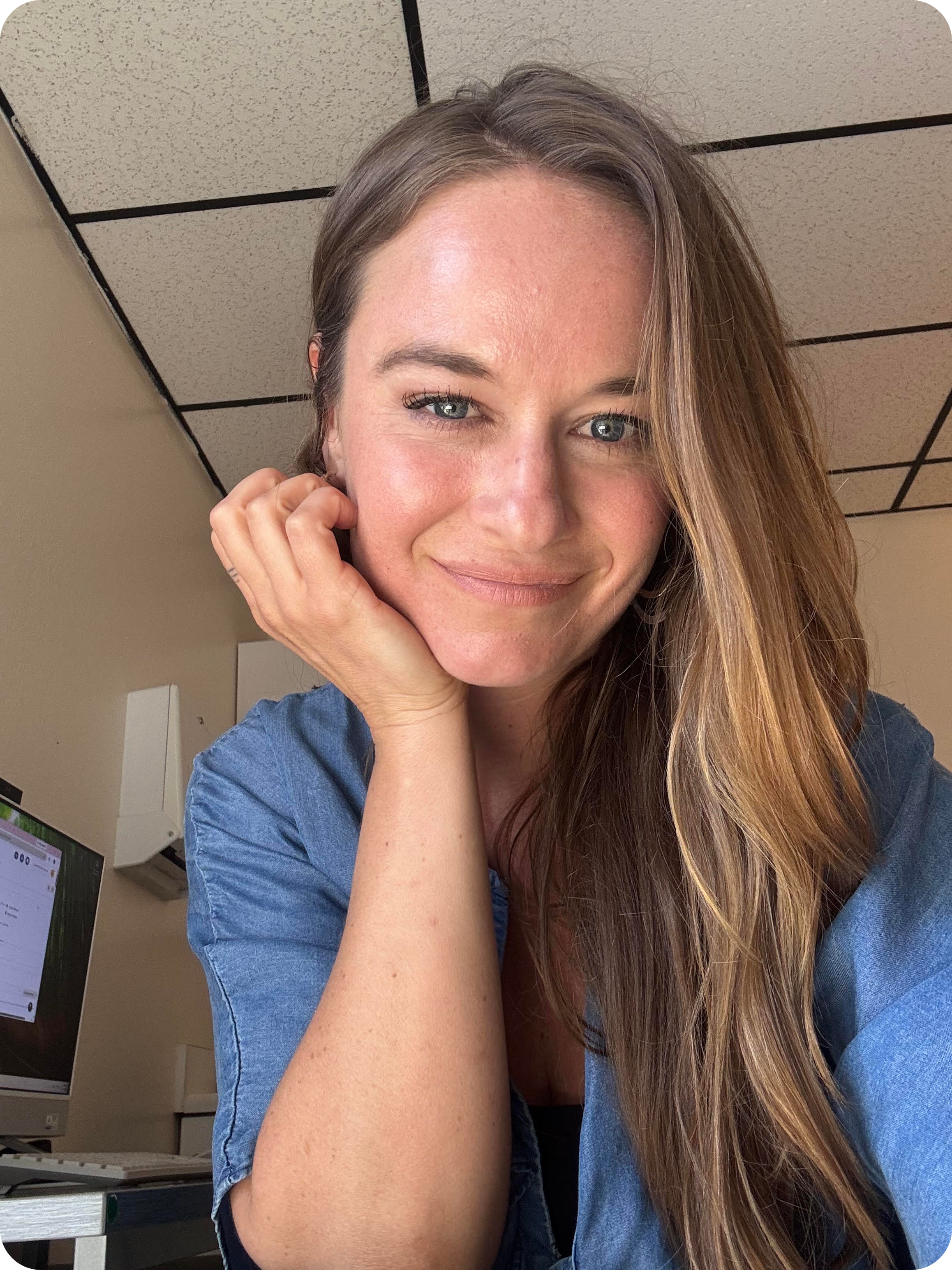
Jordan Murray, AMFT
Associate Marriage and Family Therapist #148250 (California)Supervised by William Kelly, Licensed Clinical Social Worker #86426
Jordan (she/her) is a bisexual therapist originally from the suburbs of Washington, D.C., who left behind the intensity of metropolitan life to build a life by the beach—where she now helps others find their way back home to themselves.
Jordan believes that many experiences of depression, anxiety, PTSD, and other emotional struggles emerge when we become disconnected from our innate wisdom, instincts, and authentic selves. Rather than viewing symptoms as problems to eliminate, she sees them as meaningful messengers pointing toward deeper wounds that are ready to be understood and healed.
Jordan earned her undergraduate degree from the University of Maryland, College Park, and her master's degree from Pacifica Graduate Institute, where she specialized in Depth and Archetypal Psychology. While many therapeutic approaches emphasize symptom management, Jordan partners with clients to explore the deeper origins of their distress. She believes that, throughout our lives, we often learn to suppress, exile, or disconnect from parts of ourselves in order to survive, belong, or adapt. Healing begins when those forgotten parts are welcomed back into relationship with the whole self.
With a gift for recognizing patterns, Jordan helps clients uncover the unconscious narratives that shape their lives and gently reconnect with aspects of themselves that have long been hidden. Her work integrates depth psychology, somatic awareness, creativity, and embodied practice to support lasting transformation—not just coping.
Approach
Jordan's therapeutic style is warm, direct, and collaborative. She believes therapy is fundamentally a relationship, one in which healing unfolds through authenticity, curiosity, and connection. Rather than positioning herself as the expert on her clients' lives, Jordan walks alongside them as a compassionate guide and co-creator in the healing process, helping them reclaim a deeper sense of wholeness, meaning, and aliveness.
Sessions:
In Office or Virtual
Participants:
Teens 13-17 | Young Adults 18-25 | Adults 26+ | Couples
Modalities
Attachment
Client Centered
Dialectical Behavioral Therapy (DBT)
Internal Family Systems
Psychodynamic
Somatic
Specialties
ADHD
Adjustment
At-Risk Youth
Attachment
Behavior Issues
Child Abuse
Codependency
Domestic Violence
Grief/Loss
Identity
Life Transitions
OCD
Self Esteem
Substance Abuse
Women's Issues